South Sulawesi moves to turn its share of mining profit into a working revenue line
By Sirkularium Editorial Team, 8 min read
The South Sulawesi DPRD has taken up a draft regional regulation that sets out how the 6 percent regional share of IUPK net profit is calculated, reported, and paid. PT Vale Indonesia has said it is ready to pay, and the factions want the revenue measured, verified, and invested for the long term.
South Sulawesi is building the legal machinery to collect a revenue stream that national mining law already grants it. At a plenary session of the provincial DPRD reported on 29 September 2026, the factions delivered their formal views on a draft regional regulation (Ranperda) on the calculation, reporting, and payment to regional government of revenue from the net profit of Special Mining Business Licence (IUPK) holders. The draft now moves to further deliberation, and the factions used the occasion to ask for the same thing: a clear, verifiable measure of how much the province can expect.
The draft matters beyond South Sulawesi. It is one of the first attempts by a province to turn the IUPK net profit share into a routine, auditable line in the regional budget. How the province handles the calculation, the verification, and the use of the money will offer a template for other mining regions with IUPK operations.
What the draft regulation covers
Under the framework cited in the deliberations, IUPK holders in metal and coal mining at the production stage pay 10 percent of net profit to government. Of that, 4 percent goes to the central government and 6 percent to regional governments. The regional portion divides into 1.5 percent for the provincial government, 2.5 percent for the producing regency or city, and 2 percent for the other regencies and cities in the same province.
The draft sets out the mechanism for calculating the regional share, the procedure for reporting and payment, how overpayments and underpayments are settled, administrative sanctions, and how the share is distributed onward to regencies and cities. When the provincial government submitted the draft in August, Regional Secretary Jufri Rahman described it as a regulation outside the 2026 regional legislation programme, reflecting its priority. According to Upeks, the draft implements Law No. 4 of 2009 on Mineral and Coal Mining, as amended by Law No. 2 of 2025, and Government Regulation No. 39 of 2025.
The timeline has moved steadily. The provincial government submitted the draft in early August. Members of the regional regulation body (Bapemperda) visited PT Vale Indonesia in Sorowako in early September. On the evening of 25 September, a plenary chaired by DPRD Chair Andi Rachmatika Dewi took up the 2026 budget amendment and the two draft regulations together, and the factions' views followed.
A company ready to pay
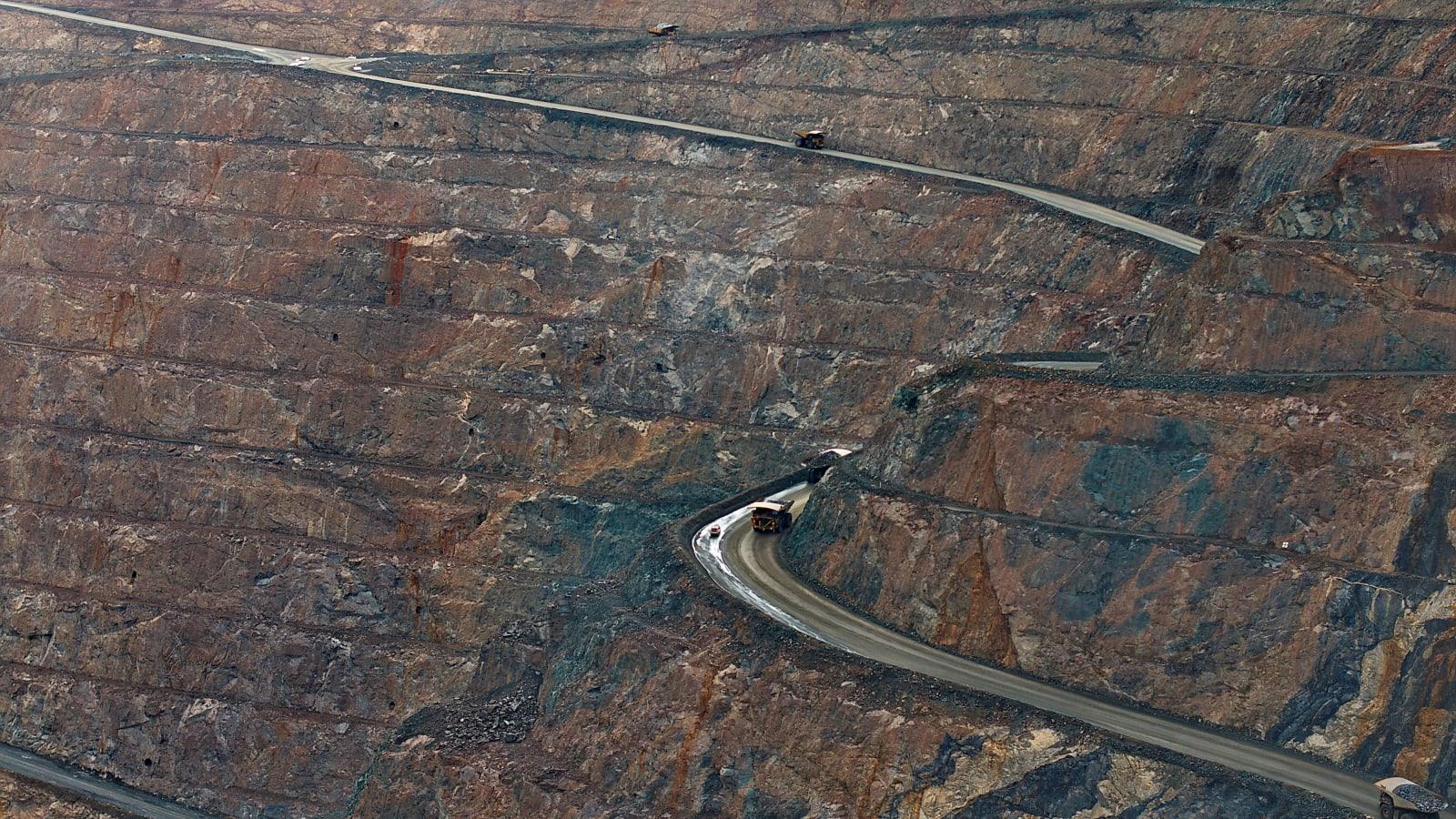
The immediate subject of the regulation is PT Vale Indonesia Tbk, the nickel producer whose IUPK covers operations in South Sulawesi, Central Sulawesi, and Southeast Sulawesi. Bapemperda member Yenni Rahman said in August that Vale was ready to remit the obligation and that payment had been waiting on a regional legal basis.
That readiness is the most constructive element of the story.
The obstacle to payment has been administrative, not a dispute over the obligation itself. The draft regulation is designed to close exactly that gap.
During the Bapemperda visit, reported by Netral, the delegation led by Bapemperda Chair Saharuddin discussed the proportions of the share, the method for calculating 2025 net profit, financial reporting transparency and audit, and how regional government can verify the figures. Netral also reported that the Sorowako Block contributes approximately 89.74 percent of Vale's total revenue, a figure that places the centre of gravity of the operation firmly in South Sulawesi, while the 6 percent share is spread across the three provinces the IUPK covers.
The numbers behind the share
Vale's published results give a sense of scale. Kontan reported that the company's net profit for 2025 was US$76.06 million, up 31.68 percent from US$57.76 million in 2024, on revenue of US$990.19 million and nickel matte production of 72,027 tonnes. Profit rose sharply in 2026. Kompas reported first half net profit of US$104.38 million, or Rp1.87 trillion, up 313.4 percent from US$25.25 million a year earlier, on revenue of US$543.07 million. Fortune Indonesia reported the same half year figure as US$104.37 million, a rounding difference between reports.
A simple arithmetic illustration shows the order of magnitude. Six percent of the 2025 consolidated net profit would be about US$4.56 million, shared among the regional governments of all three provinces. This is not an estimate of the amount payable. The regulation's own calculation method, the definition of IUPK net profit, and the allocation across provinces will determine the real figure. That is precisely why the factions asked for a formal projection.
What the factions asked for
The Golkar faction, through spokesperson Andi Muhammad Ikram, supported further deliberation and asked the provincial government to set out the revenue potential in quantitative terms. As reported by Trotoar, the faction also raised the verification of self-assessed figures and the audit authority of the regional revenue agency, and asked for a complete database of IUPK holders in the province. The Gerindra faction, through Andi Saiful, similarly called for transparent calculation and distribution.
The NasDem faction, through spokesperson Syukur, focused on what the money should do. He said the regulation gives a clear legal basis for the payment obligation and argued that mining revenue should not simply be absorbed into routine spending. He proposed directing it toward infrastructure, education, health, skills training, environmental monitoring, and support for small businesses.
Taken together, these are the ingredients of a sound fiscal instrument: a legal basis, a projection, a verification method, and a use of funds that builds lasting assets.
Sirkularium's view
South Sulawesi's draft is a practical step toward recognising the value of mining where it happens. It gives a willing company a clear way to pay, gives the producing regency the largest regional portion, and opens a debate on long term use of the proceeds. The provincial government and DPRD deserve credit for moving it forward as a priority.
Three elements would strengthen it. First, the projection the factions requested can be built on a transparent model: audited net profit, the regulation's definition of the base, the inter-provincial allocation, and a sensitivity range for nickel prices. Published once a year, such a model gives the budget office a reliable planning figure. Second, verification works best when it rests on shared data. Reconciling company financial statements with production, royalty, and PNBP records held by the Ministry of Energy and Mineral Resources gives both the province and the company a common reference and avoids disputes. Third, the NasDem proposal to fund environmental monitoring deserves emphasis. A portion of the share can finance a standing natural capital account for the mining landscape around Sorowako and Lake Matano, combining GIS and remote sensing with ground data on water quality, forest cover, and reclaimed land, valued with the methodology in Permen LH No. 7 Tahun 2014.
That last step would give the province something beyond a revenue line. It would give government and the company a shared, independently verified record of the economic and environmental value of the operation over time. Sirkularium recommends treating this valuation as regular practice rather than a response to disagreement. What to watch next: the provincial government's revenue projection, the final text of the calculation method, and whether Central Sulawesi and Southeast Sulawesi move in parallel to receive their portions of the same IUPK share.
How IUPK net profit is shared with government
Values in percent of net profit
Sources
- ANTARA, South Sulawesi targets a share of mining profit through a new regional regulation
- Trotoar.id, Golkar faction asks the provincial government to set out mining revenue potential
- Klikkiri, DPRD Sulsel plenary on the 2026 budget amendment and two draft regulations
- Netral, Bapemperda DPRD Sulsel visits PT Vale on regional revenue from mining net profit
- Upeks, provincial government submits two strategic draft regulations
- Kompas, Vale Indonesia first half 2026 net profit reaches Rp1.87 trillion
- Fortune Indonesia, Vale Indonesia net profit of US$104.37 million to end June
- Kontan, INCO 2025 net profit rises 31.68 percent