A coordinating ministry for downstreaming gives Indonesia one place to measure the value it adds
By Sirkularium Editorial Team, 8 min read
President Prabowo Subianto has created a Coordinating Ministry for Downstreaming and Energy Transition and appointed Bahlil Lahadalia to lead it alongside the energy and mineral resources portfolio. With Rp300.1 trillion of downstreaming investment recorded in the first half of 2026, the new post creates a natural home for a shared way of measuring the value that processing adds.
A new seat at the cabinet table
On Thursday, 1 October 2026, President Prabowo Subianto inaugurated Bahlil Lahadalia as Coordinating Minister for Downstreaming and Energy Transition at the State Palace in Jakarta. The post is new. It was created through Presidential Decree No. 104/P of 2026, signed on 30 September, and it sits within the Red and White Cabinet alongside the existing coordinating ministries. Bahlil keeps his role as Minister of Energy and Mineral Resources, and the coordinating ministry will for now operate from the ESDM building.
The appointment came as part of a wider set of inaugurations that day, covering 18 officials in total. For the resource sector, though, this is the one that matters most. For the first time, downstreaming (hilirisasi) and the energy transition have a single coordinating minister whose explicit job is to make them move together.
Bahlil framed the mandate in terms of the President's Asta Cita priorities. He told reporters that the work cannot be done piecemeal and must instead be comprehensive, measurable, and truly achieve its targets. He also said he would study the forthcoming presidential regulation that sets out the ministry's structure before going further on details, a sensible sequence for a new institution.
"Our focus is on downstreaming, with 90 percent of total investment concentrated in the energy and mineral resources sector." Bahlil Lahadalia, 1 October 2026
The numbers the new ministry inherits
The ministry does not start from zero. According to the Ministry of Investment and Downstreaming, realised investment in downstreaming reached Rp300.1 trillion in the first half of 2026. That was 29.7 percent of all investment realised nationally in the period, which totalled Rp1,010.6 trillion, and it grew 6.9 percent year on year. Investment Minister Rosan Roeslani described the downstreaming share as close to 30 percent.
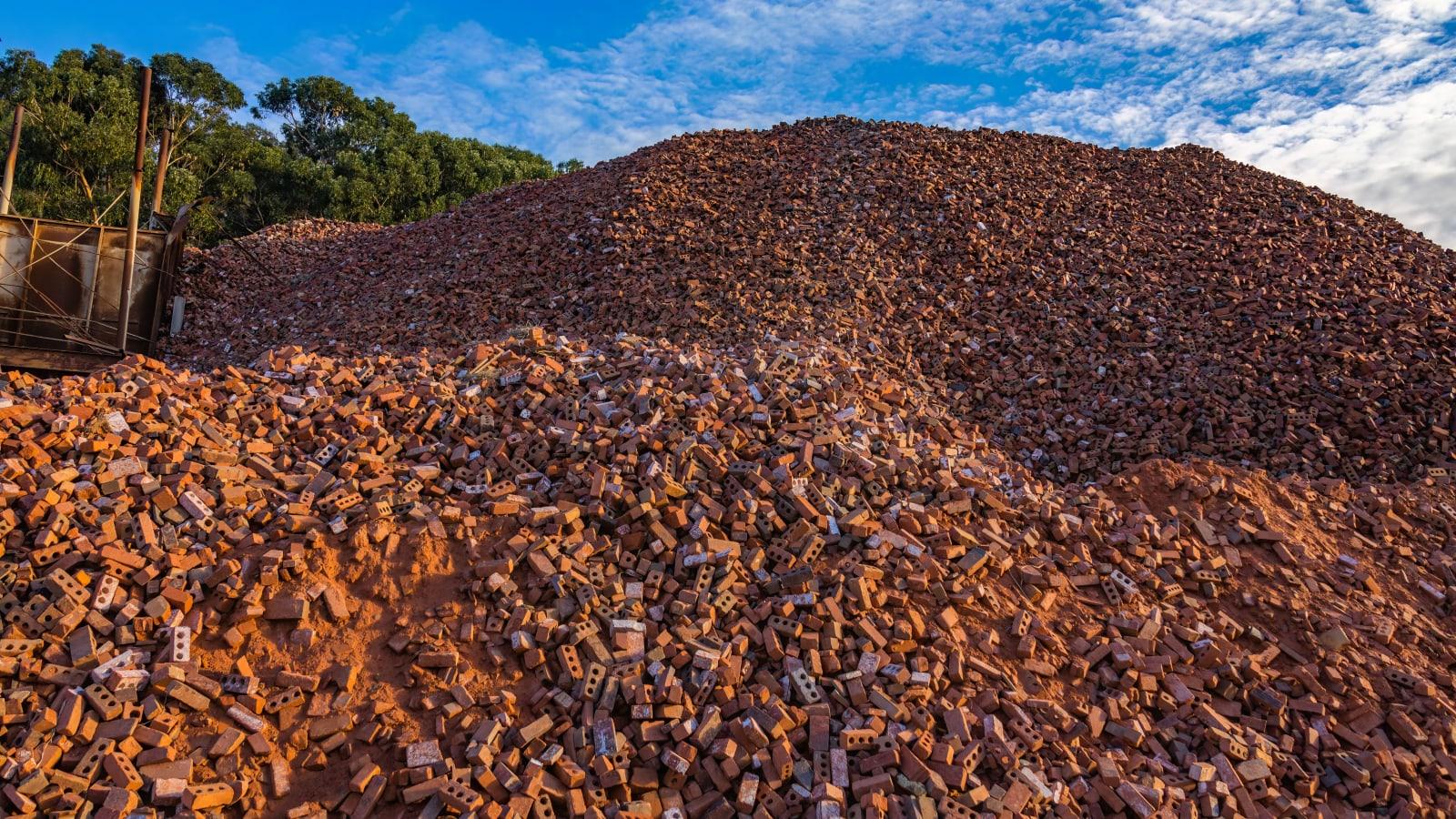
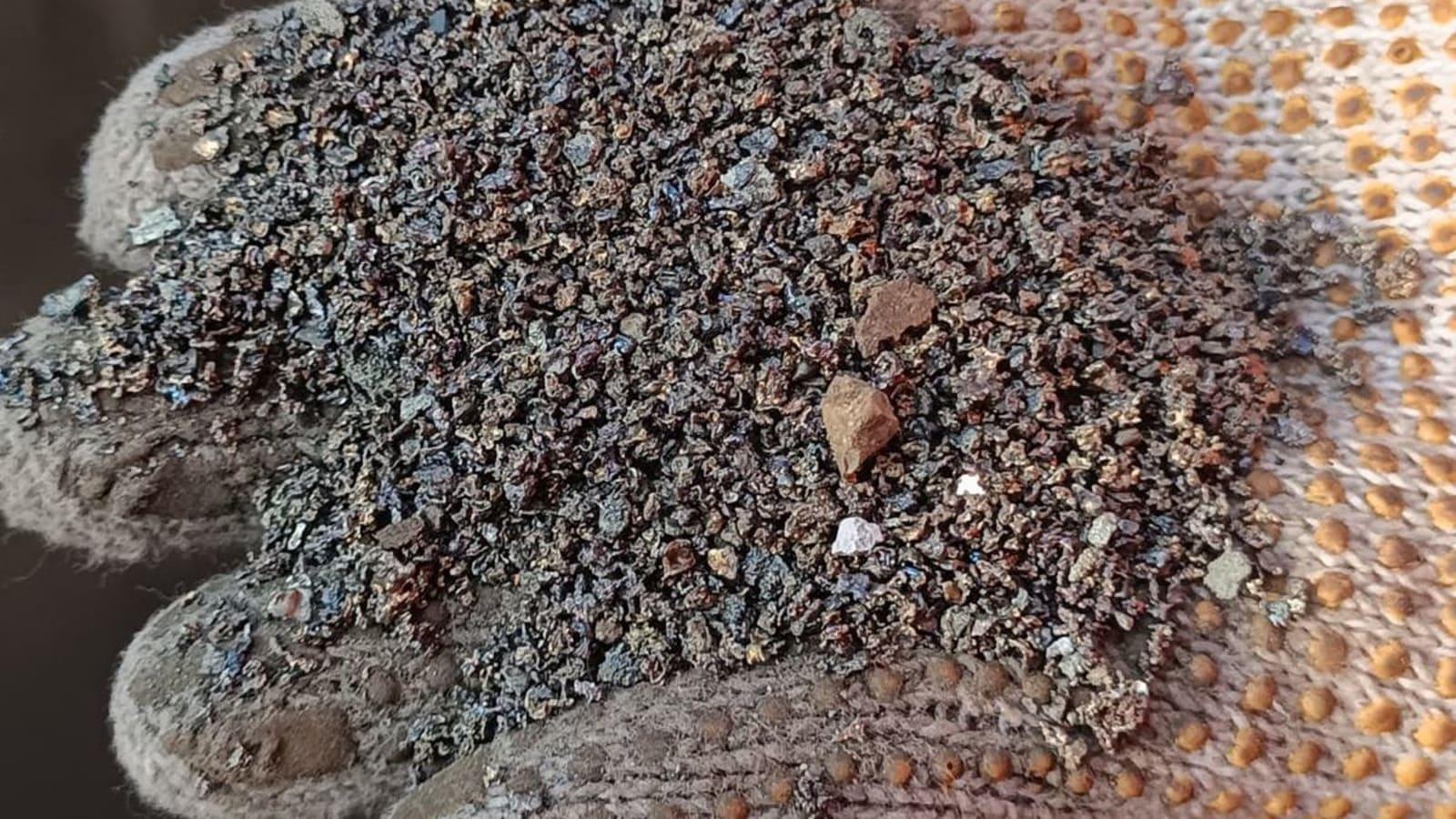
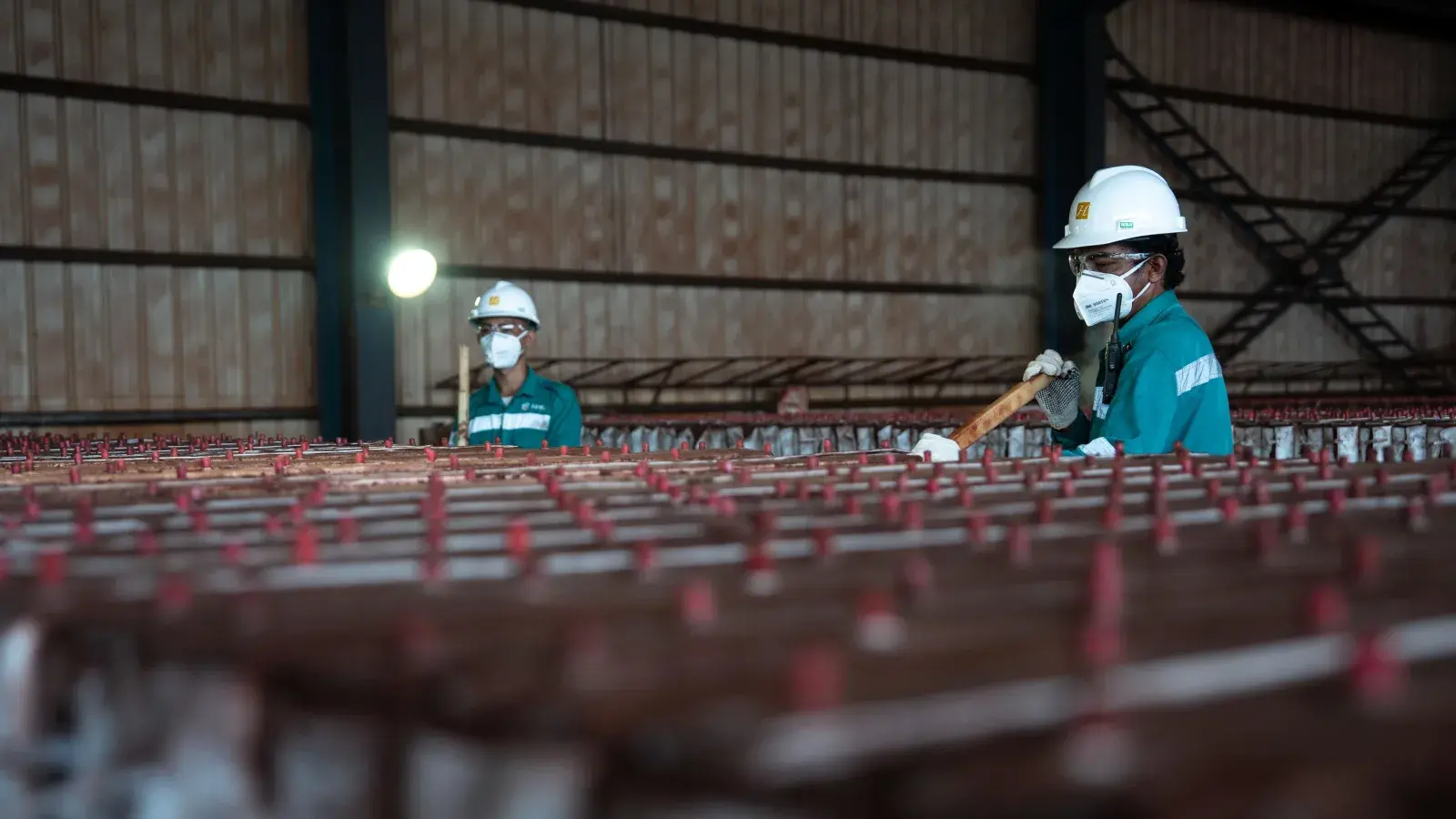
Minerals dominate. Mineral downstreaming accounted for Rp206.5 trillion, or roughly 69 percent of the downstreaming total. Within that, nickel led with Rp71 trillion, followed by bauxite at Rp53.8 trillion, copper at Rp37.4 trillion, iron and steel at Rp30.2 trillion, silica sand at Rp5.9 trillion, and other minerals at Rp8.2 trillion. Plantations and forestry added Rp54.4 trillion, with palm oil at Rp29.5 trillion and timber at Rp16.3 trillion. Oil and gas contributed Rp35.4 trillion and fisheries and marine Rp3.8 trillion.
These figures sit inside a much larger ambition. The government's roadmap for 28 strategic commodities through 2045 envisages around US$618 billion of investment, with a first phase of 21 projects worth about US$40 billion. Commentators have often pointed to nickel as the proof of concept: export value from nickel and its derivatives rose from about US$3.3 billion in 2017 and 2018 to an estimated US$35 billion to US$40 billion a year in 2023 and 2024.
One small difference in framing is worth noting. Bahlil cited a 90 percent share for the ESDM sector. Combining mineral and oil and gas downstreaming in the investment ministry's first-half data gives Rp241.9 trillion, about 81 percent of the Rp300.1 trillion total. The gap most likely reflects different scopes, for instance whether energy-related processing outside these two categories is counted. It is not a contradiction. It is a good illustration of why a coordinating ministry will benefit from one agreed set of definitions.
Why coordination is a measurement question
Downstreaming touches many institutions at once. The investment ministry tracks capital. ESDM issues mining permits, approves RKAB work plans, and sets benchmark prices. The industry ministry oversees smelters and manufacturing. The environment ministry reviews AMDAL studies and enforces permit conditions. Regional governments collect a share of revenue and live with the land and water effects. Each body already holds valuable data, often measured in its own units and on its own calendar.
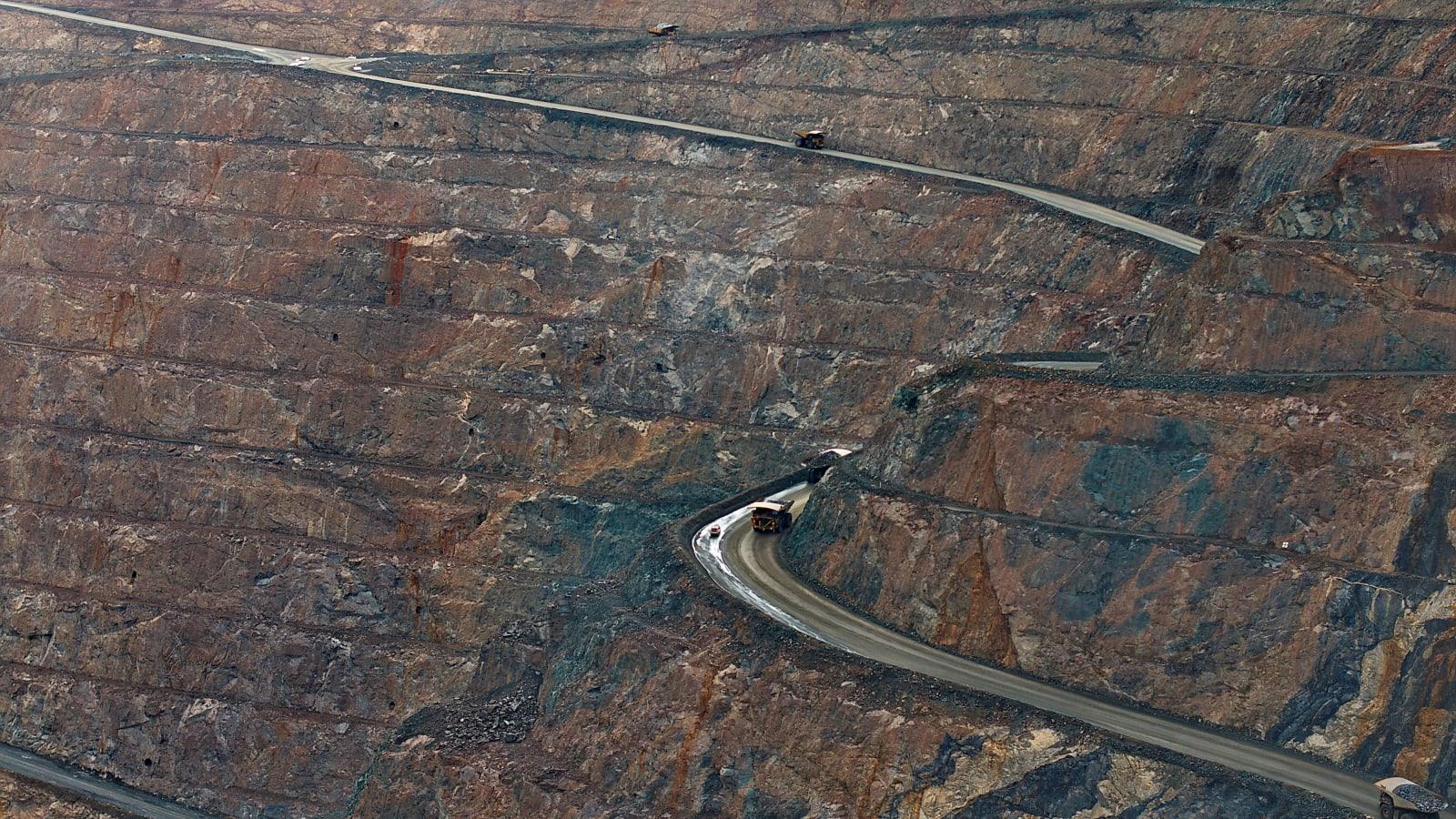
A coordinating ministry is well placed to bring these numbers onto one page. The useful question for downstreaming is not only how much capital has arrived, but how much value stays in Indonesia once processing is complete. That means following a tonne of ore through its stages: the royalty and PNBP paid at the mine mouth, the value added at the smelter, the wages and local procurement along the way, and the export price of the finished product. Market signals already show why this matters. Early October nickel reference prices moved lower, with the HMA at US$16,322.67 per tonne, so value captured through processing becomes more important to revenue stability, not less.
The same ledger can carry the environmental side. Indonesia already has a regulatory method for pricing environmental loss and recovery cost in Permen LH No. 7 of 2014. Remote sensing and GIS can map land cover change around concessions and industrial parks with precision. Reclamation guarantee funds already put a monetary value on future restoration. Brought together, these allow the net value of a downstreaming project to be stated in a form that investors, ministries, and regions can all read the same way.
What a shared baseline could look like
Several practical steps would help the new ministry turn its mandate into measurable results:
- A common definition of downstreaming investment and value added, agreed across the investment ministry, ESDM, and the industry ministry, so that headline shares such as 81 or 90 percent can be reconciled.
- A commodity-level ledger, starting with nickel, bauxite, and copper, that links upstream production, PNBP, processing output, and export value for each year.
- Regional tables that show what each producing province receives in revenue sharing, employment, and procurement, alongside any land and water costs measured with standard methods.
- Independent verification of the environmental component, using GIS and ground data under the Permen LH 7/2014 framework, so that reclamation progress is reported as an asset rebuilt rather than an obligation discharged.
None of this requires new rules to begin. Much of it is a matter of connecting data the government already collects.
Sirkularium's view
The creation of a Coordinating Ministry for Downstreaming and Energy Transition is a constructive step. It recognises that processing minerals at home and decarbonising the industry that does it are one agenda, not two. Placing it under a minister who also holds the energy and mineral resources portfolio should shorten the distance between policy design and execution.
For government and public institutions, the opportunity is to make measurement the ministry's first shared tool. Rp300.1 trillion of downstreaming investment in six months is a strong base. The next step is to show, commodity by commodity and region by region, how much net value that capital creates once the costs of land, water, and recovery are counted with the same care as revenue.
For mining and processing companies, the signal is equally clear. Operators that can present an independently verified economic valuation of their activity, built on GIS and ground data and on the methodology Indonesia already uses, will find it easier to demonstrate compliance to the environment ministry and contribution to the downstreaming agenda. That valuation works best as routine practice, updated each year, rather than as a response to a dispute.
What to watch next: the presidential regulation that defines the ministry's structure and the institutions it coordinates, the full-year 2026 investment figures, and whether the 28-commodity roadmap is updated with value-added targets alongside investment targets. Sirkularium will follow each of these and stands ready to support a shared valuation baseline for the sector.
Mineral downstreaming investment by commodity, H1 2026
Values in Rp trillion
Sources
- ANTARA News, Prabowo names Bahlil to new downstreaming, energy transition post
- ANTARA News, Indonesia forms new ministry to speed up downstreaming, Bahlil says
- Tempo English, Why Prabowo creates new downstream, energy transition ministry
- CNBC Indonesia, Bahlil on taking the coordinating role while keeping ESDM
- Investortrust, Bahlil says 90 percent of downstreaming investment sits in the ESDM sector
- Bernas, Keppres 104/P Tahun 2026 and the downstreaming investment roadmap
- Infobanknews, Downstreaming investment reaches Rp300.1 trillion in H1 2026
- Databoks Katadata, Downstreaming investment H1 2026 by sector
- Media Indonesia, Downstreaming of 28 strategic commodities targets US$618 billion
- Shanghai Metals Market, Bahlil appointed coordinating minister, nickel reference prices