
Yogyakarta signs the agreement that puts 1,000 tonnes of daily waste to work
By Sirkularium Editorial Team, 9 min read
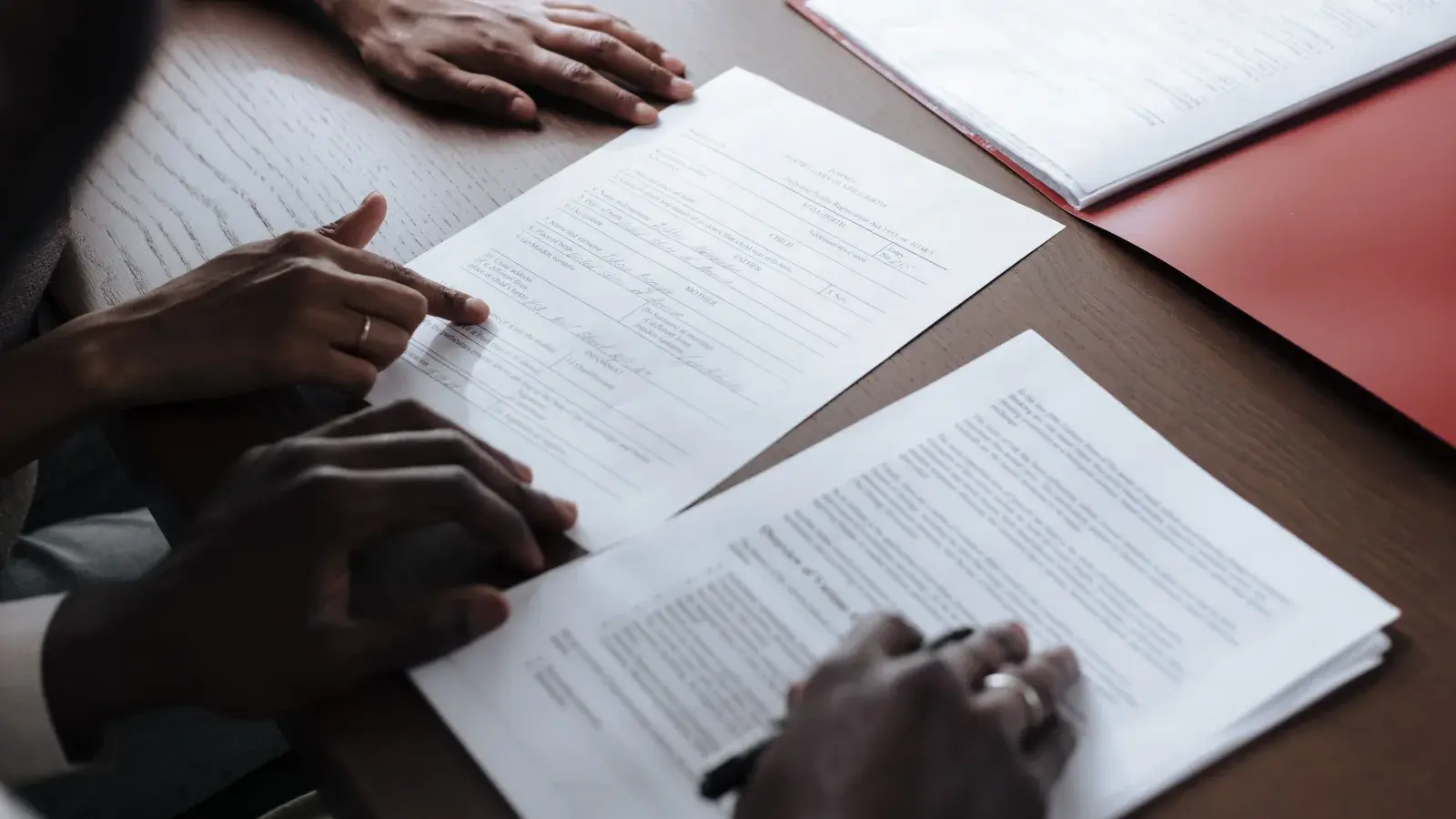
On 11 August 2026 the Special Region of Yogyakarta, Sleman, Bantul and the city of Yogyakarta signed a cooperation agreement with Danantara for the PSEL waste to energy facility at Piyungan. The plant carries an estimated Rp2.5 to 3 trillion investment, will process 1,000 tonnes of waste a day, and is targeted for groundbreaking in December 2026.
A signature at Gedhong Wilis
On Tuesday 11 August 2026, in the Gedhong Wilis hall inside the Kepatihan complex in Yogyakarta, the Special Region of Yogyakarta and its three waste contributing jurisdictions signed the cooperation agreement that formally sets the Piyungan waste to energy project in motion. Governor Sri Sultan Hamengku Buwono X signed for the province. The Regent of Bantul, Abdul Halim Muslih, the Regent of Sleman and the Mayor of Yogyakarta, Hasto Wardoyo, signed for the jurisdictions that will feed the plant. Opposite them sat PT Danantara Investment Management, represented by Fadli Rahman, its Director of Investment and the chief executive of PT Daya Energi Bersih Nusantara, the subsidiary known as Denera that runs the national programme for converting waste into electricity.
The facility is known by its Indonesian acronym PSEL, for Pengolahan Sampah menjadi Energi Listrik. It will sit on roughly 5.7 hectares immediately beside the former Piyungan landfill in Bantul, on a parcel adjacent to but distinct from the old disposal site. The cooperation is structured under Presidential Regulation Number 109 of 2025, the framework that governs the acceleration of waste to energy development, and runs for 30 years. The operating company takes the form of a joint operation in which Danantara holds 51 percent and Pertamina holds 49 percent.
Yogyakarta's slot in the national programme was awarded on 13 July 2026, when Danantara named eight selected partners for the second phase of the PSEL programme across eight development locations covering 20 districts and cities. The Yogyakarta Raya package went to the Cakra Energi Lestari Consortium, whose members are PT Pertamina Power Indonesia, known as Pertamina NRE, together with Tianjin TEDA and CITICC. The consortium began surveying candidate construction sites at Piyungan in late July, which is why the site area and the layout could be fixed quickly enough for an agreement in the second week of August.
The numbers behind the plant
The design point is 1,000 tonnes of waste a day. Local reporting puts the estimated investment at Rp2.5 trillion to Rp3 trillion, with the final figure dependent on the completed engineering design. Projected electricity output is 18 to 20 megawatts, enough for roughly 15,000 households, sold to PLN under a long term offtake arrangement. Reporting on the signing puts the offtake price at around 20 cents per kilowatt hour across the 30 year term, a figure that will be confirmed as the commercial documents are finalised.
Employment is the other headline number. Fadli Rahman told reporters that the construction phase is expected to absorb 800 to 1,000 workers, and that local hiring is written into the understanding with the regional governments.
"The workforce we will prioritise is local workforce," Fadli Rahman said, describing the hiring commitment attached to the construction phase.
The fiscal case was put most plainly by the Mayor of Yogyakarta. Hasto Wardoyo observed that once the plant is running, the city's waste budget shifts from paying for disposal capacity to paying mainly for haulage, and estimated the residual transport cost at around Rp40 billion a year. For a city government that has spent three years managing the consequences of the Piyungan closure, that is a meaningful change in the shape of the annual budget line, not only in its size.
How the waste supply is shared
The agreement is notable less for the plant than for the supply contract behind it. A waste to energy facility is only bankable if the tonnes arrive every day, and the three signatories have committed to specific volumes. Sleman will supply about 450 tonnes a day, the city of Yogyakarta about 300 tonnes, and Bantul about 250 tonnes. Together those commitments account for the full 1,000 tonne design capacity. Gunungkidul and Kulon Progo remain outside the arrangement and continue to manage their waste independently.
That split is the practical answer to a question the region has carried since Piyungan stopped receiving mixed waste. The former landfill served all three jurisdictions, and its closure left each of them managing residual flows through interim depots and transfer arrangements. Converting an informal dependence on one site into three quantified, contractual obligations is what allows a private consortium to commit several trillion rupiah against a 30 year horizon.
It also sets a clear planning obligation for each jurisdiction. A tonnage commitment is a floor as well as a ceiling. Sorting programmes, waste banks and organic diversion at the neighbourhood level continue to reduce what reaches the plant, so each government now has to plan its upstream reduction targets and its downstream supply commitment as one exercise rather than two.
What the schedule now requires
The timeline announced at the signing is compressed and specific. Land preparation runs through the third and fourth quarters of 2026. Groundbreaking is targeted for December 2026. Construction is planned from January 2027 through the end of 2028, with waste processing beginning in the third or fourth quarter of 2028.
"There will be no postponement. Our target is groundbreaking at the end of this year, in December 2026," Fadli Rahman said.
Between now and December the parties must complete the feasibility study, finalise the project structure, establish the joint venture and secure financing approval, which are the conditions attached to the conditional letter of award before a final letter of award is issued. Land status is a further workstream, since the site sits on Sultan Ground, the land held by the Yogyakarta palace, and its release follows the region's own procedures.
Community engagement is running alongside the technical schedule. The Regent of Bantul has publicly committed to corporate social responsibility programmes and local employment for communities around the site, and civil society organisations in Yogyakarta have asked for fuller disclosure of the consortium's track record. Both are ordinary features of a project of this size, and both are best handled early, while design is still open, rather than during construction.
Sirkularium's view
For government and public institutions, the Piyungan signing is instructive for a reason that has little to do with combustion technology. The binding element of this project is not the boiler. It is the three signed tonnage commitments and the 30 year offtake with PLN. Those two contracts are what convert a public waste problem into a financeable asset, and every region preparing a similar facility should treat them as the critical path rather than as paperwork that follows a technology decision.
Three implications follow for regional governments watching this file. First, inter jurisdictional waste agreements deserve the same legal and financial attention as the plant procurement itself, because a facility with an uncertain feedstock is a facility with an uncertain tariff. Second, upstream reduction and downstream supply commitments have to be modelled together, so that a successful sorting programme does not later read as a breach of contract. Third, the fiscal reframing that the Mayor of Yogyakarta described, from disposal cost to haulage cost, is the number that makes the case to a regional legislature, and it should be calculated early and shared openly.
What to watch next is straightforward. The completion of the feasibility study and the joint venture, the confirmation of the offtake price with PLN, the release of the Sultan Ground parcel, and whether the December 2026 groundbreaking date holds. Yogyakarta is one of eight phase two locations moving in parallel, so the sequencing lessons learned here will be read closely in Medan, Semarang, Surabaya, Bekasi, Bogor, Serang and Lampung over the coming months.
Committed daily waste supply by jurisdiction
Values in tonnes per day
Sources
- Harian Jogja, PSEL Piyungan to process 1,000 tonnes of waste a day with Rp3 trillion investment
- ANTARA News, Danantara targets PSEL groundbreaking in Yogyakarta by the end of 2026
- ANTARA News, Danantara says the Yogyakarta PSEL project will absorb 1,000 workers
- ANTARA News Yogyakarta, Danantara targets PSEL groundbreaking in Yogyakarta by the end of 2026
- Koran Jakarta, Yogyakarta PSEL accelerated, Danantara aims for groundbreaking by the end of 2026
- Harian Jogja, PSEL Piyungan project to open 1,000 job opportunities
- ANTARA News, Danantara names eight selected partners for phase two of the PSEL programme
- ANTARA News Yogyakarta, PSEL consortium begins surveying candidate construction sites at TPA Piyungan