World Cleanup Day 2026 turns one volunteer morning into a national case for sorting at source
By Sirkularium Editorial Team, 9 min read
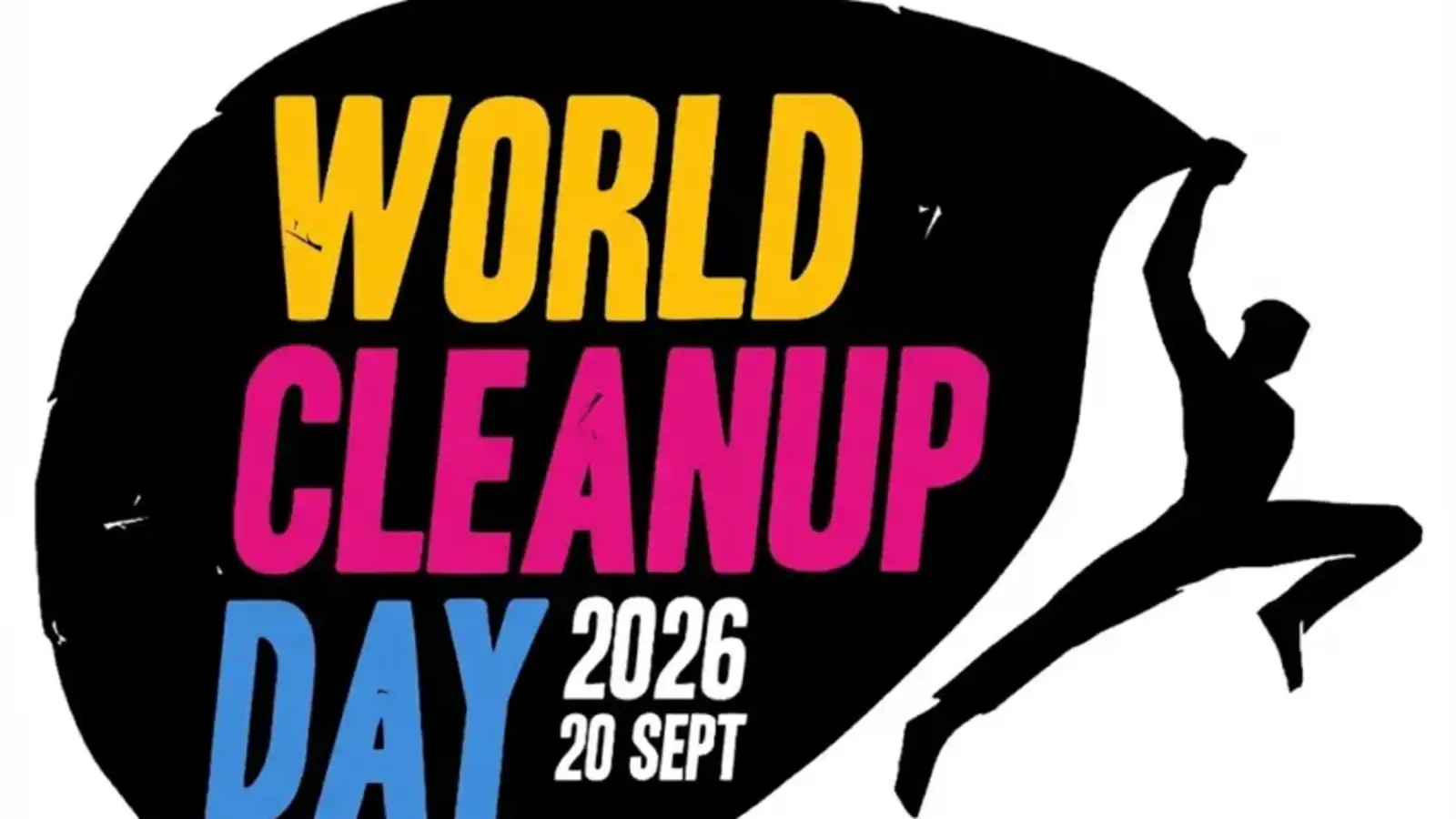
Indonesia marked World Cleanup Day on Sunday 20 September 2026 with a peak action along Jalan Sudirman in Jakarta and parallel clean ups from Bandung to Buleleng, and organisers used the day to press a single message, that waste separated at home is what makes collection worth doing. The national youth campaign behind it runs on to 28 October.
A clean up that ended at a sorting station
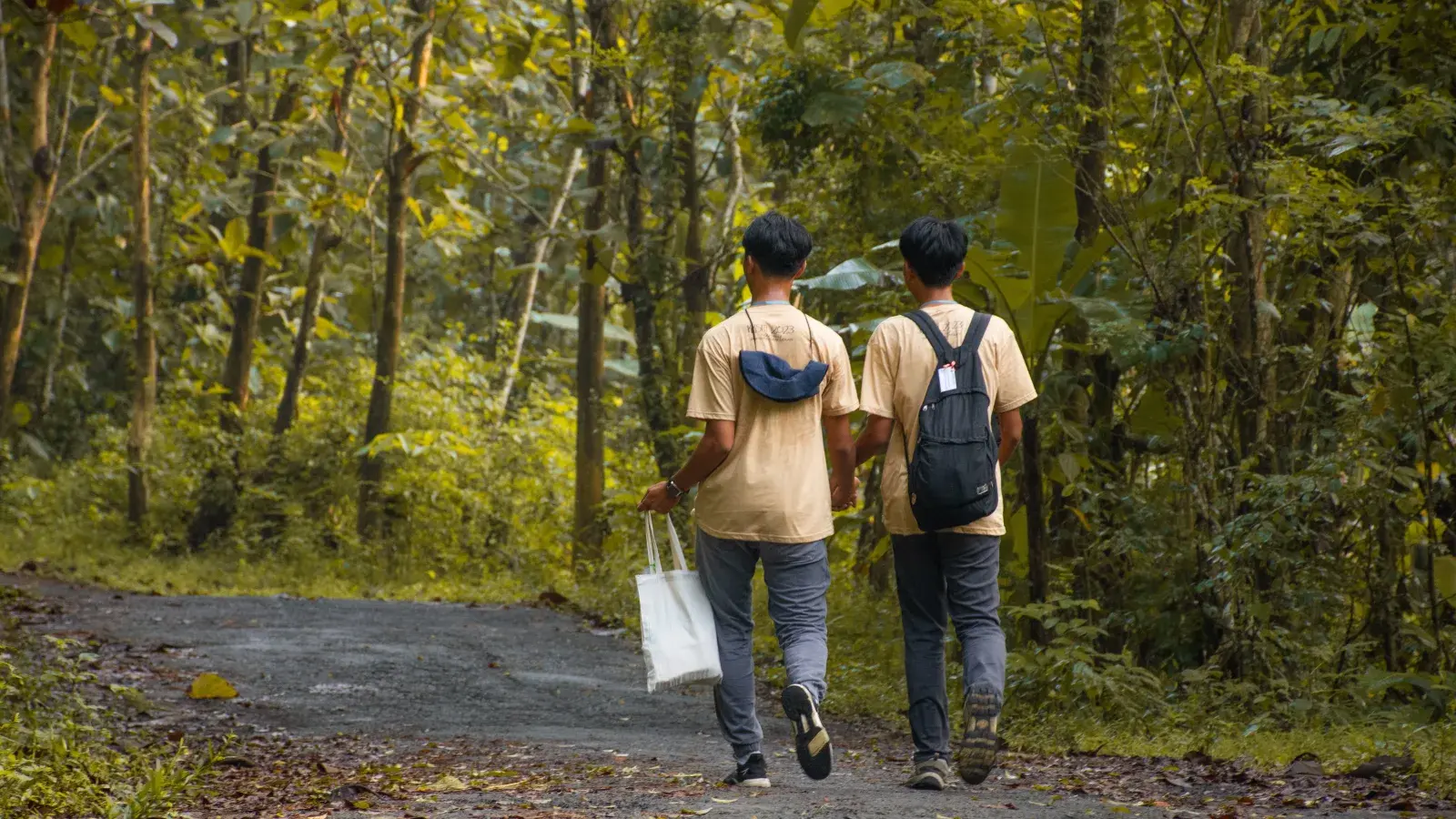
Sunday 20 September 2026 was World Cleanup Day, the observance the United Nations formally recognised in December 2023 and which Indonesia has run every year since 2018. The national peak action opened at six in the morning at the Rekosistem waste station in Dukuh Atas, central Jakarta, and closed at ATMAterra on the Atma Jaya Catholic University campus in Semanggi, where the ceremony was held. Around 2,000 participants assembled at the Dukuh Atas MRT station at seven and walked the length of Jalan Sudirman while Car Free Day was in progress, gathering plastic bottles, food wrappers and cigarette butts along the pavements.
The detail that carries the most meaning for public institutions is what happened next. The material collected was not sent straight to a transfer point. It travelled to the university campus to be separated and processed further, which turned a symbolic morning into a short demonstration of the collect, sort and recover sequence that national policy is asking every city to build. Volunteers who spend two hours filling bags and then sort what they have filled learn the same lesson a household learns at the kitchen bin, which is that a mixed bag has almost no value and a separated one has a great deal.
Andy Bahari, who leads World Cleanup Day Indonesia, framed the day around a deliberate national arc. The campaign it belongs to opened on Independence Day, 17 August, and closes on 28 October, the anniversary of the Youth Pledge.
The organisers chose those two dates on purpose, so that freedom from waste reads as part of the same national story as independence and the promise young Indonesians made to one another in 1928.
The numbers organisers brought to the day
The movement arrived at 20 September with a record it can point to. Since it began operating in Indonesia in 2018, World Cleanup Day Indonesia reports 68,863 tonnes of waste collected and around 39 million volunteers mobilised, figures cited both in the pre event briefing published on 17 September and in reporting on the day itself. Globally the movement counts participation from 212 countries according to that same briefing, a figure reported as 211 at the campaign launch in August, a small discrepancy worth noting rather than smoothing over.
Those numbers sit against a national picture the Ministry of Environment has set out plainly. At the campaign launch at Universitas Lambung Mangkurat on 18 August, the figure presented was that 75.27 percent of national waste is not yet properly managed, equivalent to 108,652 tonnes every day. Read together, the two sets of figures describe both the scale of the task and the scale of the goodwill available to meet it. Eight years of volunteering has removed roughly two thirds of a single day's unmanaged national tonnage. That is not a criticism of the volunteers. It is the clearest possible argument that clean up days are worth most when they are used to change what happens at the source for the other 364 days of the year.
Regions ran their own versions of the same idea
The peak action was national in the literal sense. In South Jakarta, about 500 volunteers worked at Taman Ayodya in a collaboration between PT Chandra Asri Pacific Tbk, the Jakarta provincial government through its environment agency, and Lions Club District 307 A1. Edi Rivai, Chandra Asri Group's director for legal, external relations and circular economy, and Solida Abdy Ramli, district governor of Lions Club District 307 A1, both anchored the event on household separation, with Solida noting that the company and the club have run the partnership for eight consecutive years. The Jakarta campaign message was kept deliberately simple, keep Jakarta clean and sort your waste.
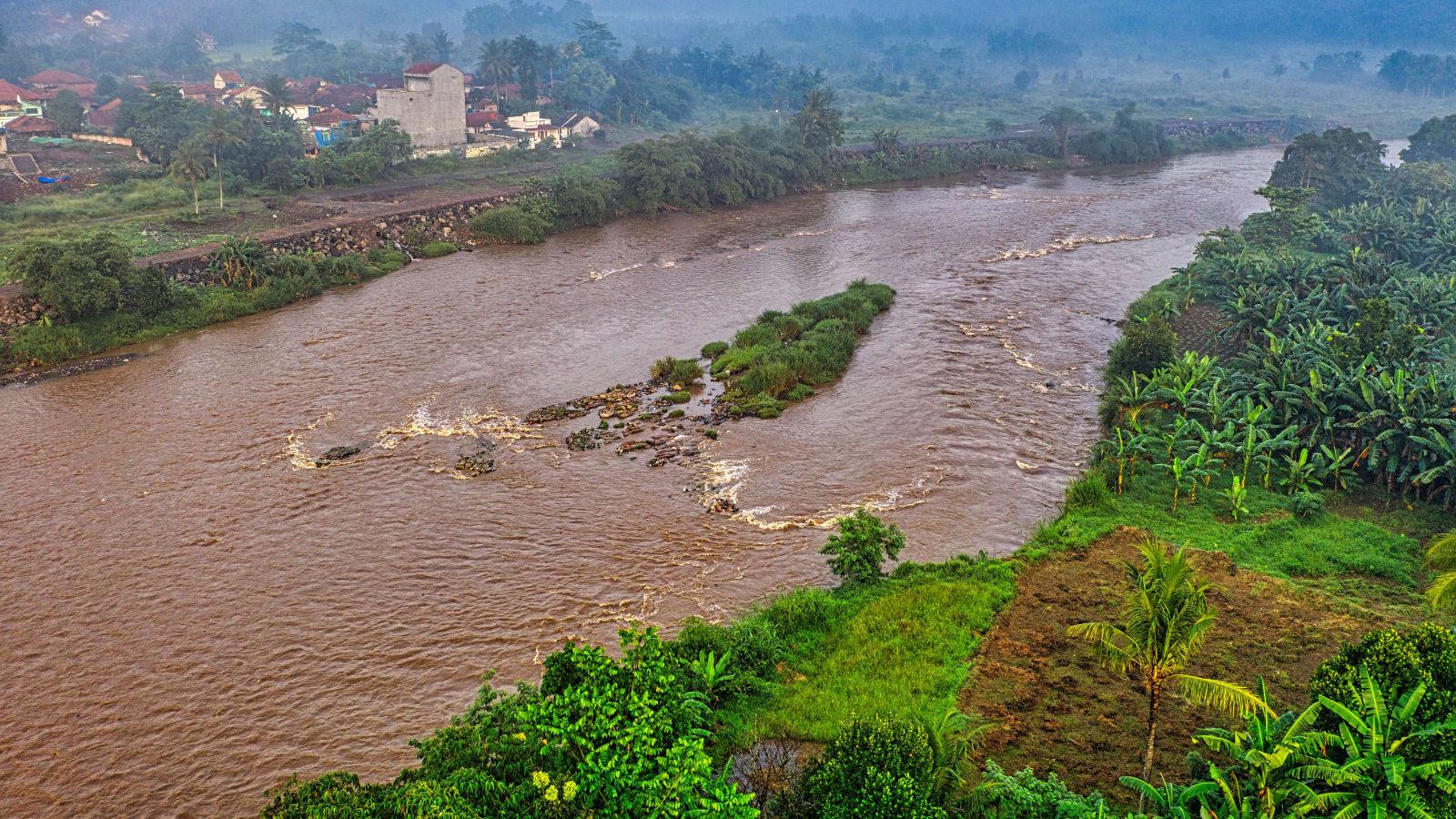
In Bandung, River Clean Up Indonesia and the One Six Sauyunan community worked the Cikakak river in Kelurahan Nyengseret, Astanaanyar, on 19 September, with about 120 registered participants drawn from students, residents, Karang Taruna youth groups and members of the One Six Sauyunan waste bank. Sandi Syarif, the community's adviser, described splitting the effort across several points along the waterway. The haul was dominated by plastic, followed by styrofoam and disposable nappies, a composition that tells river managers exactly which upstream interventions would pay.
In Bali, volunteers cleared plastic from mangrove areas in Denpasar. In Buleleng, the regency government had been building toward the date for weeks, running clean ups every Friday across six zones in the Singaraja urban area, covering Kampung Singaraja, Kampung Bugis, Kampung Kajanan, Kampung Baru, Kampung Anyar, Kaliuntu and Banyuning, with staff from regional agencies, the military and police, state enterprises, students and residents taking part. Made Adiana, who heads waste management at the Buleleng environment office, set out the routing that gives the exercise durability. Organic material goes to the Jaga Raga organic processing facilities, recyclables go to the Buleleng central waste bank, and only residue travels to final processing.
Where volunteering meets the new processing capacity
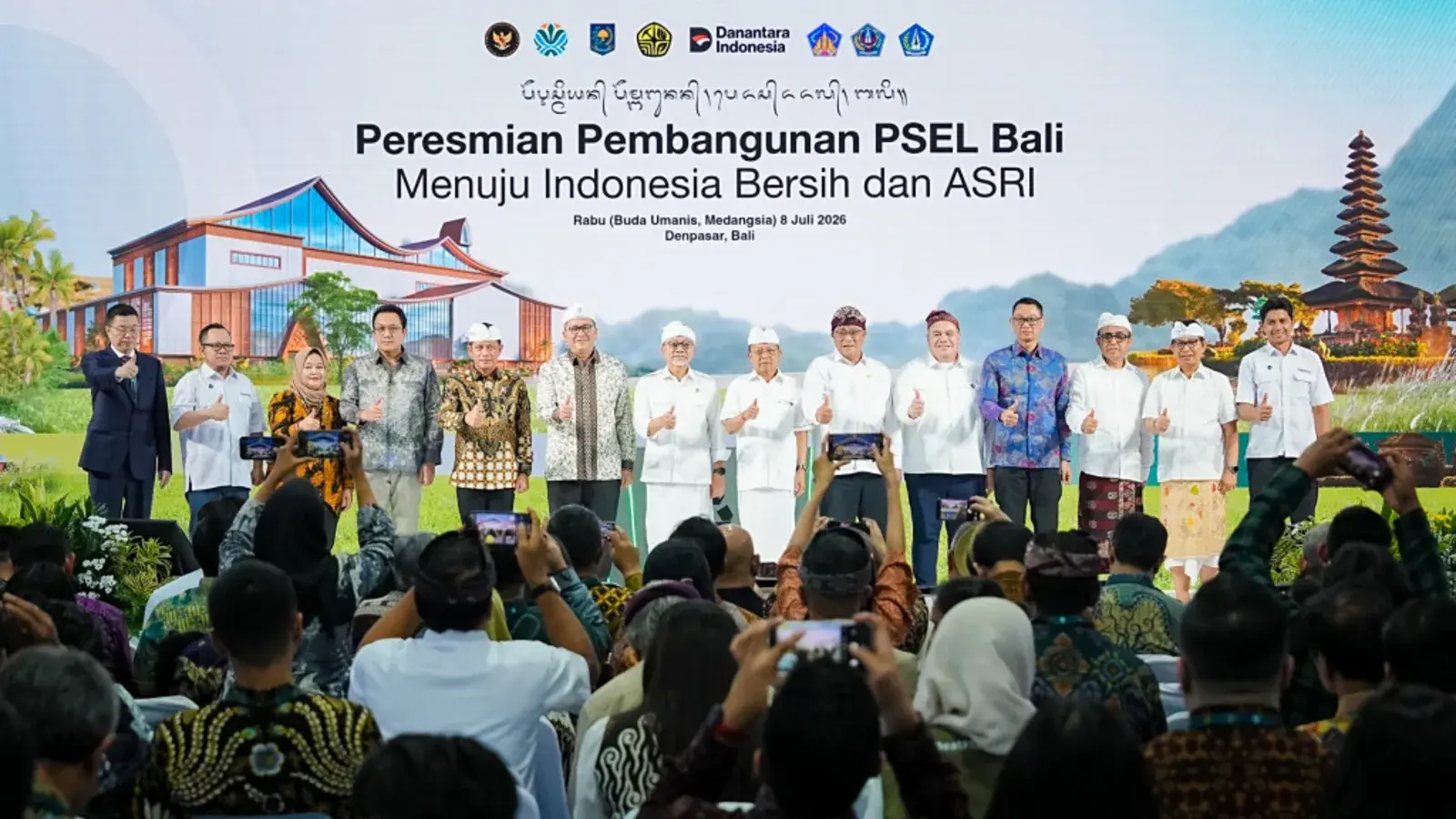
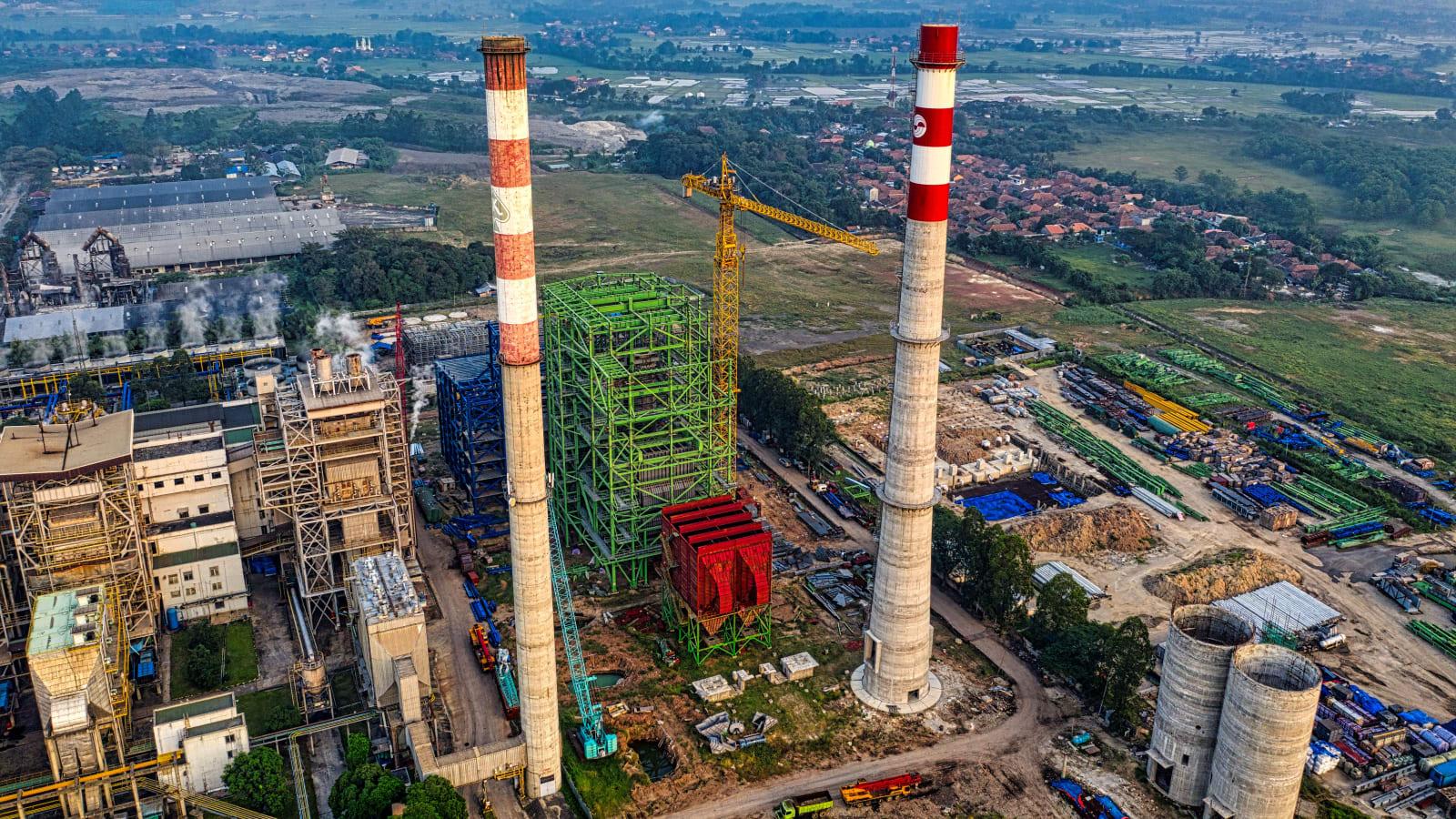
The timing matters. Three days before World Cleanup Day, ground was broken at Bogor on PSEL Bogor Raya 1, a Rp2.8 trillion facility designed to take more than 500,000 tonnes of waste a year, roughly 45 percent of what Bogor city and regency generate between them. Reporting published on 19 September drew the connection that Sirkularium would draw as well. Household level separation and large scale processing are not competing strategies. They are two halves of one system.
A community example carried that point further. In RT 08 RW 04 in Malaka Jaya, East Jakarta, 41 households separate their waste at the doorstep. Taufiq Supriadi Yusuf, who heads the neighbourhood unit, put it in terms any resident can act on, that organic material is closer to gold than to rubbish if it is kept clean, while the non organic fraction is precisely what a thermal facility is designed to take. Feedstock quality is the quiet variable that decides whether a processing plant meets its calorific specification and its availability targets. Separation at the door is how that quality is created, and it costs a government far less than any equipment purchase.
Campuses, companies and local governments as delivery partners
What the 2026 edition shows is an implementation network that already exists and is willing to be used. Universities hosted and processed, with Atma Jaya taking the Jakarta haul and the campaign itself having launched from a public university in Banjarmasin in August. This year's edition also ran alongside the seventieth anniversary of The Duke of Edinburgh's International Award, which brought a structured youth development framework to the volunteer base. Companies funded and organised, with Chandra Asri now eight years into a single partnership. Service clubs supplied logistics and people. Regency and provincial governments folded the day into programmes they were already running rather than treating it as an additional burden.
Agus Rusly, director of waste reduction and circular economy at the Ministry of Environment, welcomed the youth turnout and tied it to Indonesia's ambitions for 2045. That is the right register. The people who filled bags on Sudirman on Sunday will be the officials, engineers, operators and residents running the sorting and processing systems now being financed and built.
Sirkularium's view for government and public institutions
Sirkularium reads World Cleanup Day 2026 as a low cost, high yield asset that regional governments can convert into permanent capacity, and offers three practical observations.
First, capture the data. Every clean up produces a free waste characterisation study. Bandung's Cikakak count of plastic, styrofoam and disposable nappies is already a usable evidence base for a targeted intervention on that stretch of river. A simple standard form, issued by a provincial environment agency to every registered clean up point, would turn one morning of goodwill into a dataset that supports budget requests and facility siting.
Second, route the material the way Buleleng does. A clean up that ends at a landfill gate moves the problem a few kilometres. A clean up that ends at a waste bank and an organic processing facility builds the habit and the throughput at the same time. Publishing that routing in advance, including which facility receives what, costs nothing and teaches the system to residents while they are already paying attention.
Volunteer energy is renewable. Landfill space is not. The governments that get the most from a day like this are the ones that spend it building the habit rather than clearing the backlog.
Third, connect the volunteer base to the processing pipeline now under construction. With PSEL projects advancing in Bogor and elsewhere, and a national target of a zero waste balance by 2029, the binding constraint is increasingly the quality and consistency of separated feedstock rather than the presence of a plant. A campaign that can reach millions of young people is the cheapest available instrument for improving that quality, and it reaches exactly the households that new facilities will depend on.
What to watch next is the closing stretch of the campaign to 28 October, and whether regional governments use it to convert one day of participation into standing arrangements, meaning school and campus sorting programmes, new waste bank registrations, and neighbourhood separation schemes that are still running in November and December.
Sources
- detikEdu, World Clean Up Day 2026, young people sweep waste at Jakarta Car Free Day
- PalapaNews, thousands of volunteers prepare for the Aksi Bersih Pemuda Pemudi Merdeka dari Sampah peak action
- Metapos, World Cleanup Day 2026 stresses the importance of sorting waste at home
- Republika, World Cleanup Day 2026, young people move to clean Jakarta
- Jabar Ekspres, World Cleanup Day 2026 action on the Cikakak river in Bandung
- Balinetizen, Buleleng regency intensifies clean up and source separation for World Cleanup Day 2026
- Directorate General of Higher Education, World Cleanup Day Indonesia 2026 launch and national waste figures
- ANTARA News, household waste management runs alongside waste to energy