PLN EPI maps 60.6 million tonnes of untapped biomass and a path beyond co-firing
By Sirkularium Editorial Team, 8 min read
At Electricity Connect 2026, PLN Energi Primer Indonesia set out a bioenergy strategy that starts with residues already available across farms, plantations, forests, factories and cities, and moves from co-firing toward biochar, syngas, biohydrogen and compressed biogas. The company estimates that 10 million tonnes of biomass alone could support around 150,000 green jobs.
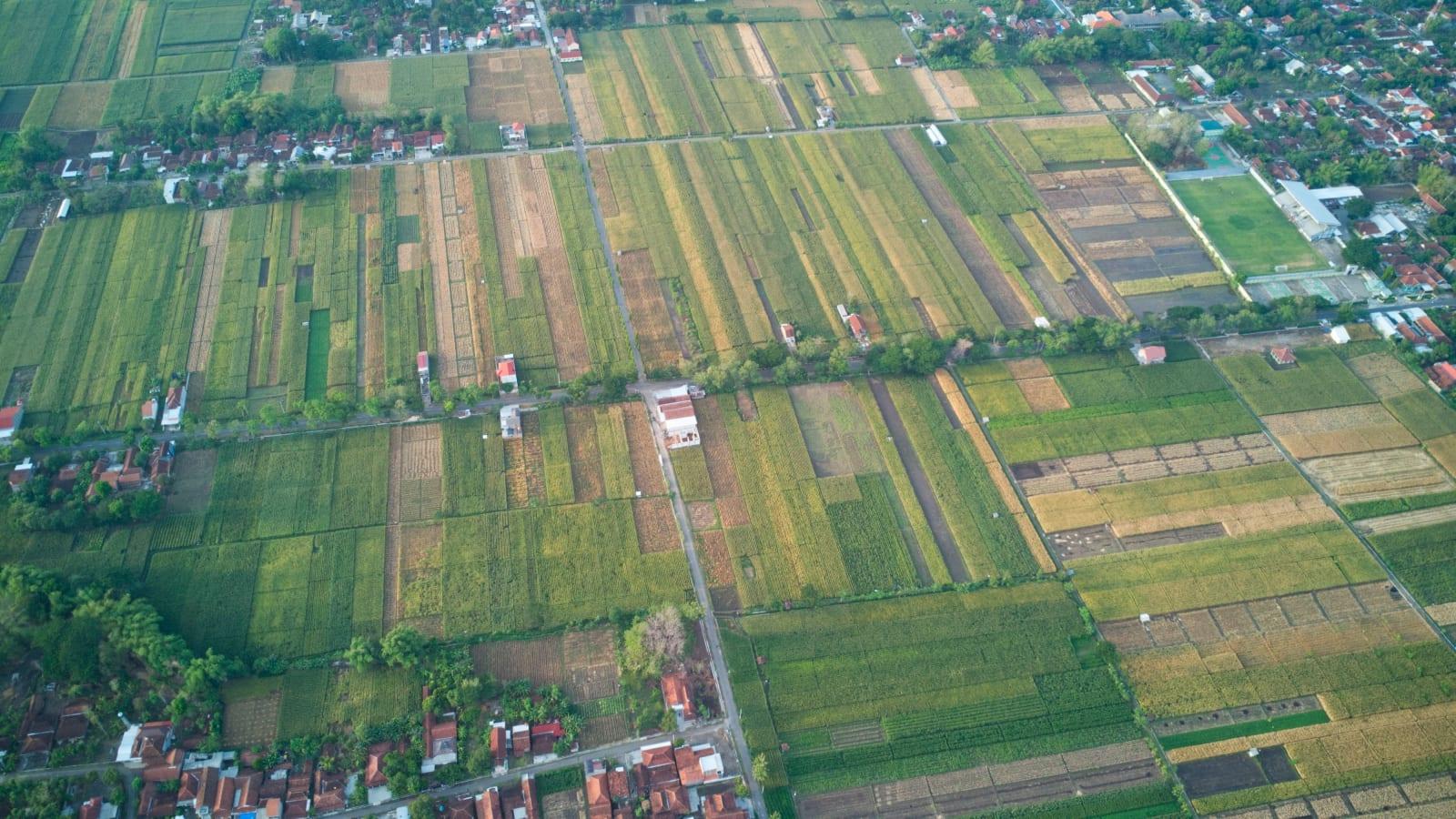
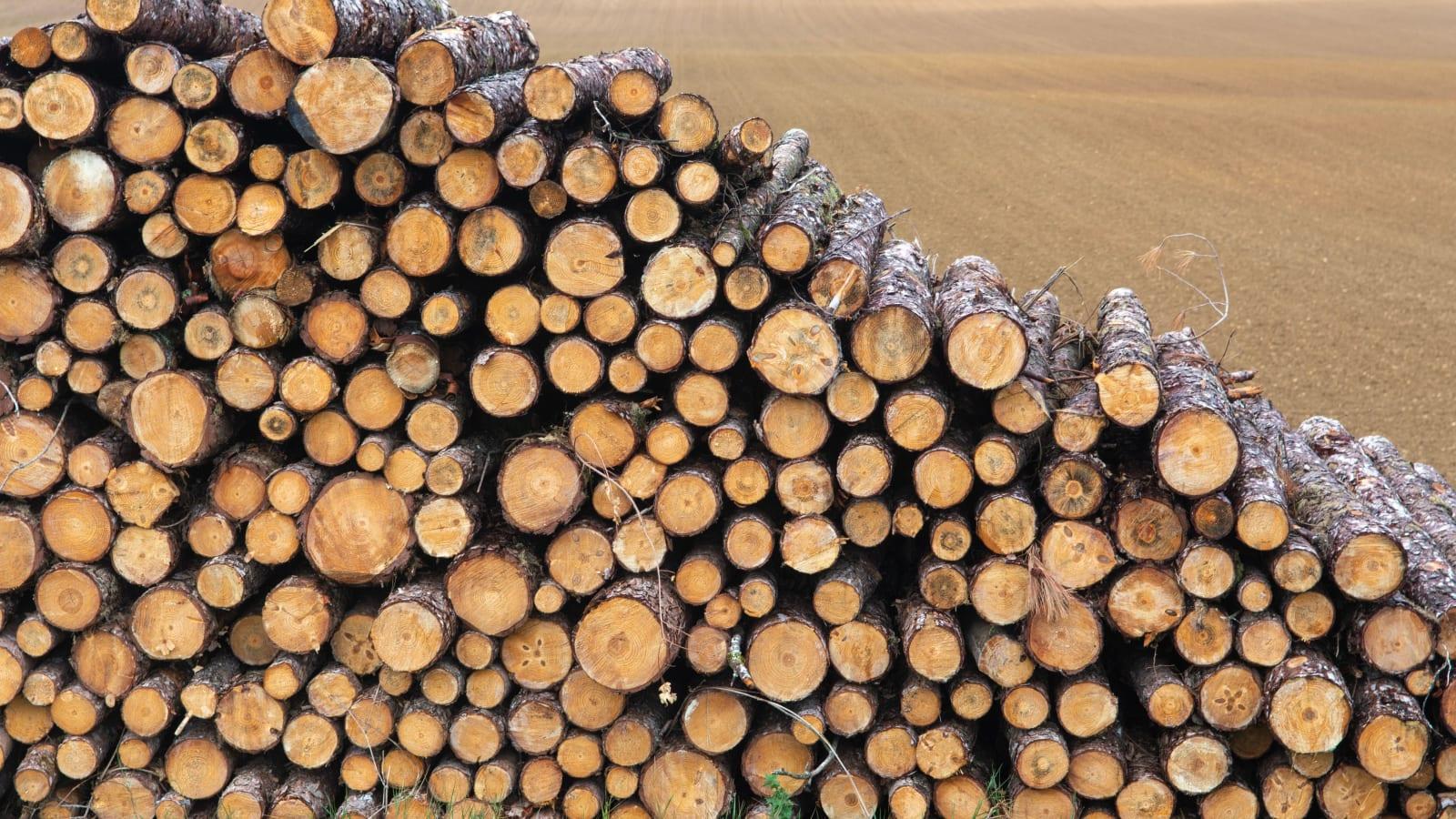
Indonesia produces a very large amount of organic residue every year. Sawdust from timber mills, rice husks from paddy processing, palm kernel shells, prunings, forestry offcuts and the organic share of municipal waste all accumulate whether or not anyone assigns them a use. This week, PT PLN Energi Primer Indonesia (PLN EPI), the primary energy supply subsidiary of the state utility PLN, put a number on the share that is still waiting for one: around 60.6 million tonnes.
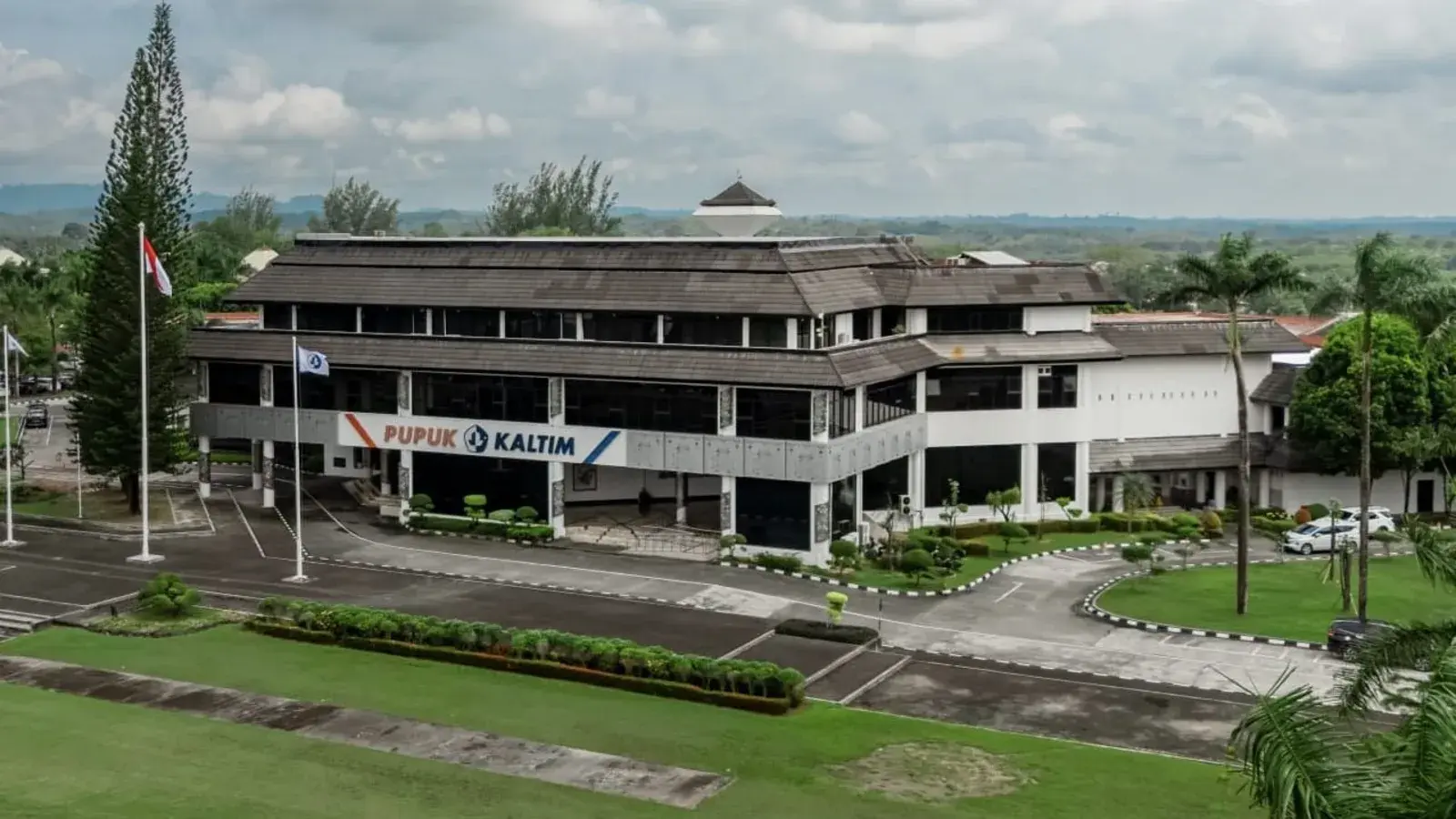
The figure was presented at Electricity Connect 2026, held from 22 to 24 September at Indonesia Convention Exhibition (ICE) BSD City in Tangerang, and was reported between 24 and 26 September by detikFinance, Investor Trust, Listrik Indonesia, Okezone, Warta Ekonomi, Indoposco and OG Indonesia. What makes the announcement significant is less the tonnage itself than the direction it signals. PLN EPI is positioning itself to move from supplying one product, biomass for co-firing in coal plants, toward a wider set of bioenergy products built on the same feedstock base.
From fuel supplier to bioenergy platform
Speaking at the event's Knowledge Hub on 23 September, Anita Puspita Sari, Vice President of Strategy and Business Development for Biomass at PLN EPI, described bioenergy as a strategic route for the company.
"PLN EPI sedang mengembangkan bioenergi sebagai jalur strategis untuk mengubah potensi feedstock domestik Indonesia yang melimpah menjadi solusi energi berkelanjutan." Anita Puspita Sari, PLN EPI, at Electricity Connect 2026. In English: PLN EPI is developing bioenergy as a strategic pathway to turn Indonesia's abundant domestic feedstock into sustainable energy solutions.
The pathways PLN EPI is now mapping go well beyond pellets and chips. They include biochar through torrefaction and pyrolysis, syngas through gasification, biohydrogen, compressed biogas (CBG), biofuel and bioethanol, as well as waste management. The intended markets are equally broad: co-firing at existing power plants, industrial users that need heat or low carbon inputs, and export buyers. Okezone's report notes that more advanced processing could supply green hydrogen for the fertiliser industry and sustainable fuels for export.
OG Indonesia describes the shift as PLN EPI moving from a primary energy provider to an integrated solutions provider. That is a meaningful change of role for a company whose core job has been to secure coal, gas and biomass for PLN's fleet.
The numbers behind the resource
According to PLN EPI's mapping, Indonesia already uses about 30.7 million tonnes of biomass, and an estimated 60.6 million tonnes remains untapped. The sources span agricultural waste, plantation residues, forestry, industrial by products and urban waste. Listrik Indonesia and Okezone both report that the company treats these figures as indicative, and that each stream still needs technical and economic study, including access to raw material and the readiness of logistics and supply chains.
That caution is worth keeping in view, because national biomass estimates vary with method. Earlier PLN EPI communications this year cited a potential of around 80 million tonnes a year with roughly 22 million tonnes in use. The new split of 30.7 million used and 60.6 million untapped is the most recent and most detailed presentation, and it is the basis for this article.
On the delivery side, PLN EPI supplied 2.35 million tonnes of biomass in 2025, which contributed to an emission reduction of about 2.72 million tonnes of CO2e, according to Liputan6. The company's target is 3.65 million tonnes in 2026, rising to 4.07 million tonnes in 2027. Cumulative deliveries from 2023 to 2026 stand at 4.77 million tonnes. A September interview reported by Fortune Indonesia cited a year end figure closer to 3.4 million tonnes, so the 2026 outcome is best read as a range for now.
Co-firing runs at 52 coal plant locations. Investor Trust and Listrik Indonesia put their combined capacity at 18.9 GW, while Indoposco reports around 18,154 MW with a potential requirement of about 9 million tonnes of biomass a year. The gap between current supply and that requirement is exactly where a larger feedstock base becomes useful.
Wood based material makes up more than 77 percent of the co-firing supply today. Liputan6 breaks this down further as 54.6 percent sawdust and 22.4 percent wood chips. The remainder comes from agricultural residues, rice husks and other sources.
Jobs and emissions from a first 10 million tonnes
The most striking estimate came from Hokkop Situngkir, Director of Biomass at PLN EPI. He said a bioenergy ecosystem built on just 10 million tonnes of biomass could create around 150,000 new green jobs. Those jobs would sit along the whole chain: raw material supply, collection, processing, transport and use at power plants. Okezone lists the likely participants as farmers, cooperatives, village owned enterprises (BUMDes), business operators, aggregators and logistics providers.
The same 10 million tonne scenario is projected to cut emissions by about 12 million tonnes of CO2e. PLN's electricity supply plan (RUPTL) for 2025 to 2034 also targets 0.61 GW of new bioenergy capacity between 2025 and 2029, as part of a path toward a 19.7 percent renewable share in the power mix by 2029.
Most of these benefits accrue in rural areas. That is where rice mills, sawmills and plantations generate residues, and where a steady buyer for them changes household and village income. It is also why PLN EPI has been building a spoke and hub supply model, with collection points feeding processing centres, supported by a biomass marketplace that links suppliers directly to plant demand.
Why this matters for a circular economy
From a circular economy perspective, the story is about value recovery. A tonne of sawdust or rice husk left to rot or burned in the open produces emissions and no economic return. The same tonne, dried, sorted and sold into an energy chain, displaces fossil fuel and pays someone along the way.
The move beyond co-firing strengthens that logic in two ways. First, it widens the market for residues that are poorly suited to co-firing, such as wet organic waste, which fits biogas and CBG better than combustion. Second, higher value products like biochar, syngas and biohydrogen can reach industrial users that are working on their own decarbonisation, including fertiliser producers, which gives the ecosystem more than one buyer.
It also offers a practical bridge for the existing fleet. Co-firing lets PLN lower the carbon intensity of plants that are already built and financed, while the supply chain, standards and local businesses needed for a larger bioenergy sector mature in parallel.
Sirkularium's view: what government and public institutions can do next
Sirkularium sees PLN EPI's announcement as a constructive step that turns a national resource estimate into a working business plan. For government and public institutions, several practical priorities follow.
Firm up the resource data. PLN EPI itself calls the 60.6 million tonne figure indicative. A shared, regularly updated national biomass inventory by province and residue type, jointly maintained by ministries, local governments and PLN EPI, would give investors and regional planners a common reference.
Build local collection capacity. The 150,000 job estimate depends on cooperatives, BUMDes and small aggregators being able to collect, dry and deliver consistent material. Regional governments and village funds can support drying yards, storage and simple quality testing close to the source.
Align standards with new products. Fuel specifications developed for co-firing will not automatically suit biochar, syngas or CBG. Early work on product standards, sustainability criteria and life cycle assessment will help these markets grow with confidence.
Connect the waste and energy agendas. Urban organic waste appears in PLN EPI's feedstock list. Cities preparing waste management plans can treat bioenergy offtake as one of their options, which links municipal service delivery to national energy goals.
What to watch next. The key milestones are the 2026 year end supply figure against the 3.65 million tonne target, the first pilot projects for biochar, syngas or CBG, and any agreements with industrial offtakers such as fertiliser producers. Together they will show how quickly Indonesia's untapped residues can become a steady source of cleaner energy and rural income.
PLN EPI biomass supply for co-firing
Values in million tonnes
Sources
- detikFinance, 60.6 million tonnes of unused biomass as an energy asset
- Investor Trust, PLN EPI targets 60.6 million tonnes of biomass for bioenergy and biohydrogen
- OG Indonesia, PLN EPI at Electricity Connect 2026
- Listrik Indonesia, PLN EPI targets 60.6 million tonnes of biomass for its bioenergy business
- Warta Ekonomi, 10 million tonnes of biomass could open 150,000 green jobs
- Okezone Economy, bioenergy development opens 150,000 green jobs
- Okezone Economy, 60.6 million tonnes of biomass potential targeted for bioenergy
- Indoposco, 150,000 green jobs from biomass in the energy transition
- Liputan6, PLN EPI targets 3.65 million tonnes of biomass supply for 52 coal plants
- Okezone Economy, PLN EPI targets 3.65 million tonnes of biomass for 52 coal plants in 2026
- Fortune Indonesia, PLN EPI targets biomass use of 3.4 million tonnes